Lebanon Top Hardscaping Services for Pavers, Walls, and Patios
Lebanon Top Hardscaping Services for Pavers, Walls, and Patios
Blog Article
Hardscaping Services: Improve Your Outdoor Space With Beautiful Features
Hardscaping services play a vital role in revamping outdoor spaces. By incorporating components like patios, walkways, and fire pits, these services strengthen both utility and aesthetic appeal. The right materials can strengthen drainage and build inviting areas for recreation. However, understanding the various aspects of hardscaping is essential for making informed decisions. Which components should one prioritize, and how can they truly elevate a property's value? Exploring these questions reveals more to examine.
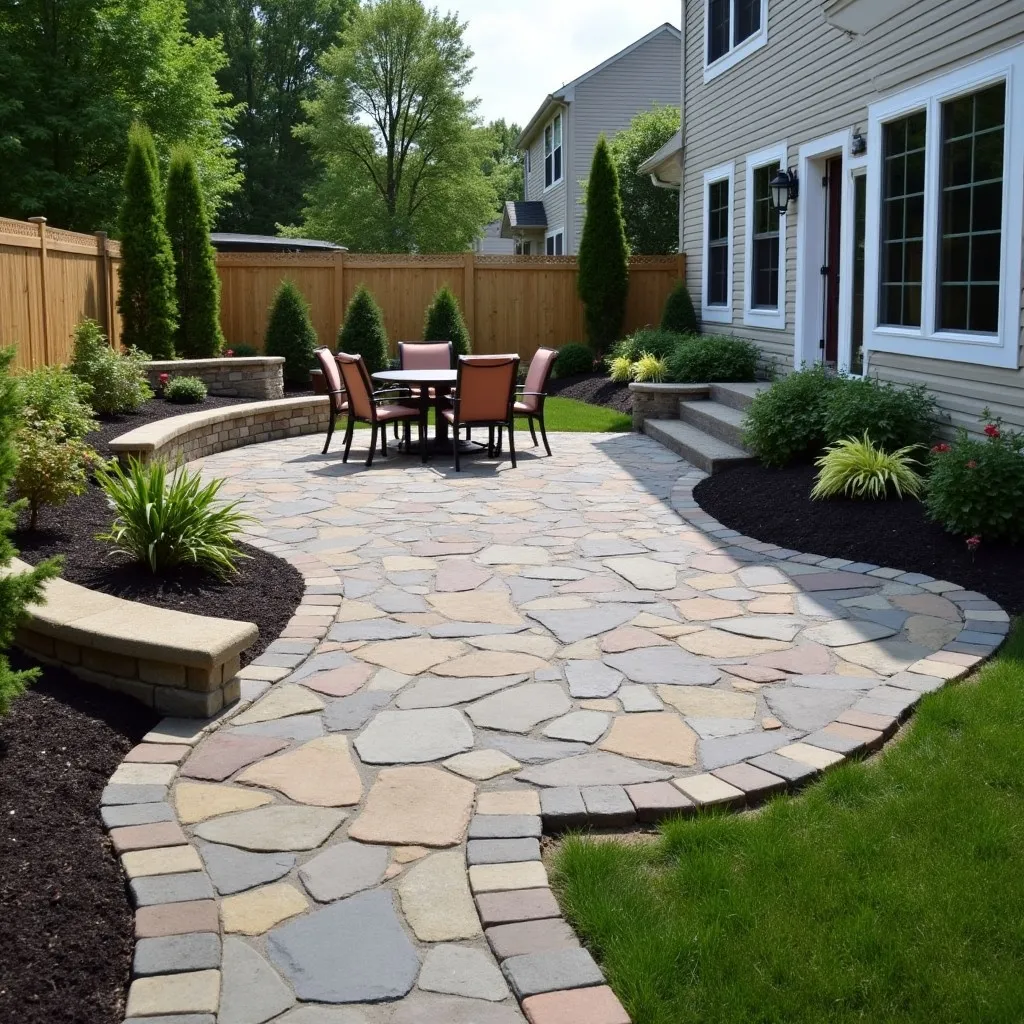
What Is Hardscaping and Why Is It Important?
Hardscaping refers to the inanimate components of landscape design, including structures such as patios, walkways, and retaining walls. This component is crucial in outdoor spaces, delivering structure and functionality. By utilizing hardscaping, homeowners can create defined areas for relaxation, entertainment, and navigation, boosting the overall usability of a yard.
In addition, landscape hardscape features boost the visual charm of a yard, delivering visual distinction to greenery and seasonal plants. They can be designed in multiple design styles and materials, permitting personalized expression that enhances the design of a home.
Moreover, hardscaping promotes proper drainage and erosion mitigation, curtailing landscape maintenance and sustaining the integrity of the surrounding environment. Overall, it represents a basic principle of landscape architecture, uniting beauty with practicality, and delivering that outdoor spaces are both attractive and enduring.
Fundamental Hardscaping Features for a Delightful Outdoor Space
Establishing an alluring outdoor zone often is based on incorporating fundamental hardscaping components that elevate both utility and aesthetic allure. Principal elements such as patios, walkways, and retaining walls provide framework and coordination, guiding movement within the landscape. Patios serve as focal points for gatherings, and walkways establish protected thoroughfares, bonding different areas seamlessly.
Adding features like fire pits or outdoor kitchens can enhance social interactions, offering warmth and culinary experiences under the open sky. Additionally, landscape rocks, gravel, or mulch can be used to delineate garden beds and pathways, contributing texture and contrast.
Water installations, such as fountains or ponds, deliver relaxing tones and a sense of tranquility. Finally, appropriately positioned lighting enhances safety while illuminating architectural details during the evening hours. Altogether, these hardscaping elements serve to a balanced, engaging environment that stimulates outdoor enjoyment.
Guide to Selecting Excellent Choices for Your Hardscaping Requirements?
Picking appropriate materials for hardscaping projects is vital for achieving durability and visual appeal. Residents should assess factors such as climate, care needs, and the expected function of the location. For example, stone options provides a timeless look and remarkable resilience, making it appropriate for decks and walkways. Conversely, paver options provide versatility in design and tone, while being economical.
Furthermore, the selection between porous and impermeable materials can affect water management and landscaping. Permeable alternatives, like permeable pavers, allow water to flow through, reducing excess water and erosion.
It’s also significant to select materials that complement existing structures and the overall landscape. By aligning the hardscape features with the home’s architecture and surrounding greenery, a unified and welcoming outdoor area can be established. Ultimately, the right materials will not only improve aesthetics but also ensure long-lasting functionality.
Creating Functional and Aesthetic Outdoor Areas
Transforming outdoor spaces into practical and aesthetic zones requires a thoughtful approach that balances decorative features with functional aspects. Effective hardscaping includes pathways, patios, and retaining walls that serve both usability and visual appeal. By selecting materials that complement the surrounding landscape, homeowners can create a seamless shift between built and natural environments.
Featuring components such as gathering spots, fire features, or outdoor kitchens enhances the functionality of the space while encouraging social interactions. Additionally, proper attention to drainage and lighting guarantees that the area stays safe and workable in various conditions.
Strategically positioned vegetation and ornamental rocks can reduce sharp lines, adding a hint of the natural world to the layout. Ultimately, a well-planned outdoor area not only showcases personal taste but also supports everyday functions, rendering it a valuable addition to your residence.
Hardscape Care Strategies for Sustained Longevity
Maintaining hardscaping elements is important for ensuring their longevity and aesthetic appeal. Regular cleaning practices and seasonal inspections combined with prompt repairs of any damage play vital roles in preserving these outdoor structures. By following these maintenance tips, homeowners can improve both the durability and appearance of their hardscaped areas.
Consistent Cleaning Techniques
Regular cleaning practices greatly enhance the longevity of hardscaping features. Regular upkeep avoids the buildup of dirt, debris, and organic materials that can cause discoloration and decay. Sweeping surfaces regularly keeps free debris at bay and reduces the risk of algae or moss development. For more stubborn stains, a mild pressure washing can effectively remove dirt without damaging the material. Additionally, using a pH-neutral cleaner ensures that the stability of the hardscape is preserved. It is also essential to inspect joints and seams for any signs of damage or wear, as these zones may require more focused cleaning. By implementing these practices, property owners can maintain the aesthetic appeal and physical soundness of their exterior areas.
Scheduled Assessments: Recognizing Their Criticality
Carrying out seasonal inspections is necessary for the extended life of hardscaping elements. These evaluations let property owners notice wear and tear caused by varying weather conditions, such as freeze-thaw cycles or heavy rainfall. Regular inspections assist in keeping joints, pavers, and retaining walls steady and free from cracks or shifting. Also, checking drainage systems is critical to prevent water build-up, which can cause structural damage over time. Seasonal evaluations also allow opportunities to clean surfaces and resolve any minor issues before they progress into extensive repairs. By emphasizing these inspections, homeowners can sustain the aesthetic appeal and functionality of their outdoor spaces, ultimately extending the lifespan of their hardscaping investments.
Tackling Damage Promptly
Tackling wear without delay is vital for protecting the solidity of hardscaping components. Disregarding minor defects, like fractures in pavers or compromised retaining walls, can lead to greater complications eventually. Periodic inspections help detect these problems early on, making it possible to perform prompt fixes that shield owners from major replacements. For example, filling fractures using correct materials improves appearance and blocks moisture penetration, which causes additional deterioration. Repositioning bricks also improves security and usability. Property owners must also factor in weather-related deterioration, tackling any deterioration before severe weather conditions amplify the situation. Through emphasizing timely fixes, the durability and aesthetic appeal of hardscaping structures can be properly preserved. or unstable boundary walls, may lead to more severe problems over the long term. Regular maintenance checks support early detection of these issues in a timely fashion, enabling timely fixes that keep homeowners from costly replacements. To illustrate, filling cracks with suitable materials improves looks and prevents water infiltration, which leads to additional deterioration. Realigning bricks strengthens functionality and security. Property owners must take into account seasonal damage, addressing any deterioration before extreme environmental factors worsen conditions. Through prioritizing timely fixes, the longevity and visual appeal of hardscaping elements can be successfully maintained
How Hardscaping Enhances Property Value
Hardscaping significantly enhances property value by improving curb appeal and establishing functional outdoor spaces. Well-designed patios, walkways, and retaining walls not only appeal to potential buyers but also provide practical areas for relaxation and entertainment. These improvements can generate a higher return on investment for homeowners.
Improved exterior appearance
While many homeowners look for ways to improve their properties, incorporating hardscaping elements can significantly elevate curb appeal. Features such as stone pathways, retaining walls, and decorative patios create a pleasing exterior that attracts potential buyers. The aesthetic appeal of skillfully crafted hardscaping not only enhances landscaping but also establishes a distinct tone for the property. Additionally, quality materials and craftsmanship can signal to buyers that the home has been well-maintained, further increasing perceived value. Properly executed hardscaping not only improves visual appeal but also contributes to a cohesive design, making the home stand out in the neighborhood. Ultimately, these improvements can result in a significant boost in property see this value, making hardscaping a worthwhile investment for homeowners.
Practical Exterior Areas
Crafting well-functioning outdoor spaces via landscape construction can considerably improve a property's overall market value. By integrating features like patios, walkways, and retaining walls, homeowners can increase usability and visual appeal. These hardscaped outdoor zones offer flexible environments for entertaining, relaxation, and recreation, making the property more attractive to potential buyers. Additionally, professionally designed outdoor features can better manage drainage and lower maintenance costs, further appealing to prospective homeowners. Properties featuring quality exterior zones often distinguish themselves in the real estate market, as they allow for a seamless blend of indoor and outdoor living. All things considered, committing to landscape development not only improves visual appeal of a property but also contributes considerably to its market value, making it a prudent choice for homeowners.
What to Search for When Contracting Expert Hardscaping Options?
When looking for quality hardscaping options, what key factors should be considered to guarantee a successful project? First, a reputable contractor should possess required licensing and protection to guarantee accountability and protection against unforeseen risks. In addition, reviewing a record of completed work provides understanding of the standard and approach of services. Customer feedback and recommendations can additionally support the contractor's trustworthiness and competence.
Additionally, gathering several quotes enables for an improved understanding of pricing standards and assists in making well-researched decisions. It's crucial to evaluate the contractor's expertise with specific products and layouts, verifying they can fulfill individual project needs. Communication skills also play a important part; a contractor should be open to discussing ideas, schedules, and costs. Finally, confirming that the contractor offers a comprehensive documented agreement can avoid confusion and outline project requirements, leading to a smoother execution.
Popular Inquiries Asked
What Is the Typical Expense of Hardscaping Projects?
The standard price of hardscape work varies widely, usually ranging from $15 to $50 per square foot. Factors influencing costs encompass materials used, labor, project complexity, and regional variations in market pricing, impacting total investment needs for property owners.
What Period Can You Anticipate for a Hardscaping Project?
Hardscaping projects usually take anywhere from a few days to several weeks, determined by the project's degree of difficulty, size, and the materials used. Weather patterns and crew availability can also affect the timeline notably.
Is Hardscaping Possible to do yourself or Does It Require professional services?
Hardscaping is able to be tackled yourself, but expert support is frequently encouraged for complex projects. Technical proficiency promises resilience and beauty, while novice efforts may produce pricey errors, compromising the complete caliber and longevity of the installation.
Should you account for seasonal factors when planning hardscaping work?
Hardscaping projects must account for seasonal factors including temperature fluctuations, rainfall, and ground conditions. The ideal times for installation are spring and fall, though winter can create difficulties with materials and drainage. Planning ahead guarantees durability and aesthetic appeal throughout the year.
Which Permits Are Required for Hardscaping Projects?
Permits for hardscaping installations typically include zoning permits, building permits, and possibly conservation permits, depending on local codes. Homeowners should consult their municipality to verify adherence to all legal obligations before undertaking any project.
Report this page